Retention Policy
Taxpayers are legally required to keep all supporting documents for a period of six years from the end of the last tax year to which they relate. This ensures compliance during retrospective audits.
View Eligibility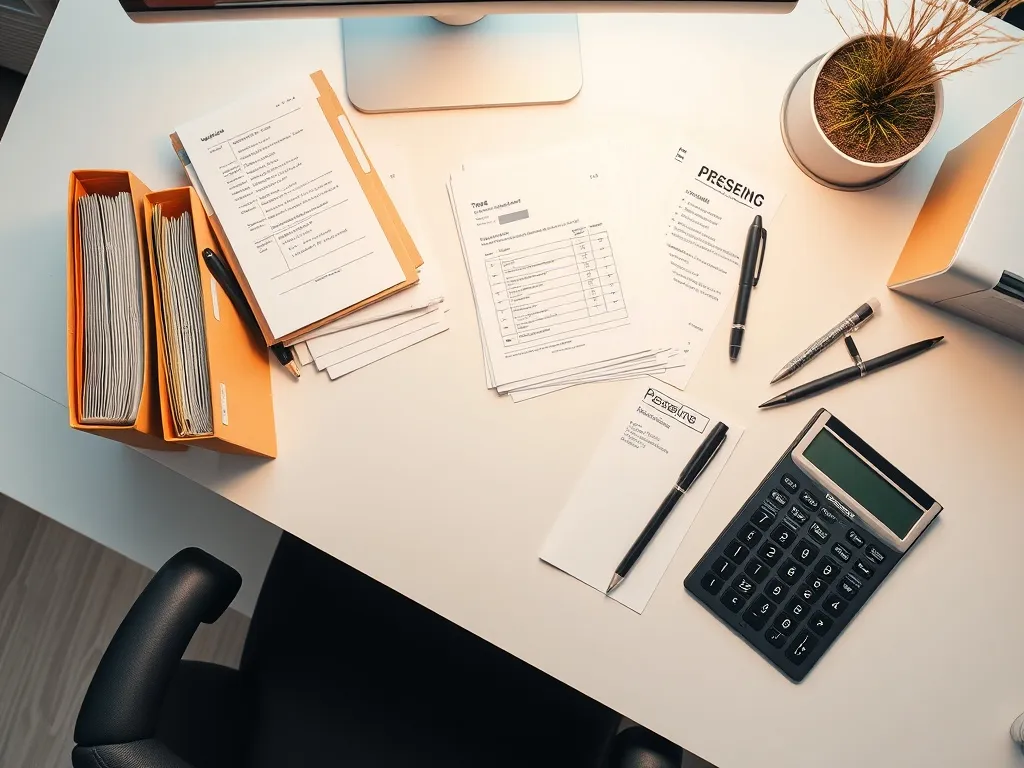
A comprehensive guide to maintaining the evidentiary support required by the Canada Revenue Agency (CRA) for home office tax deductions.
According to current CRA regulations, the burden of proof rests entirely on the taxpayer. To successfully claim expenses under the Home Office Calculation Guide, you must possess primary source documents. These are not merely bank statements or credit card slips, which only prove a payment was made, but detailed invoices or receipts that specify exactly what was purchased and from whom.
Each valid receipt must clearly display the date of the transaction, the vendor's name and business address, a description of the items or services, and the total amount including GST/HST. For those reviewing the List of Deductible Expenses, ensure that utility bills are addressed to the individual claiming the deduction and match the primary residence address on file.
Source: Canada Revenue Agency - Income Tax Folio S4-F2-C2
Taxpayers are legally required to keep all supporting documents for a period of six years from the end of the last tax year to which they relate. This ensures compliance during retrospective audits.
View EligibilityThe CRA accepts digital formats of receipts provided they are legible and identical to the original. Scanned copies must be stored in a secure, accessible environment to prevent data loss.
Policy ArchiveDiscrepancies between claimed work-space percentages and property size often trigger reviews. Maintaining a floor plan with exact measurements is a critical defensive measure.
Tax Deductions"The most common reason for denied home office claims in Canada is not the lack of eligibility, but the failure to produce organized, verifiable receipts upon request."— Garden Chalk Technical Review
Generally, no. A bank statement shows a payment occurred but does not describe the nature of the expense. The CRA requires the itemized breakdown found only on the original receipt or invoice.
For most individuals, the tax filing deadline is April 30, 2024. Self-employed individuals have until June 15, 2024, although any balance owing must still be paid by April 30.
No. If you are filing electronically, you keep your receipts. You only provide them if the CRA contacts you for a review or a formal audit of your home office expenses.
If you share a home with another person also working from home, you must divide the expenses reasonably. Each individual should maintain their own set of documentation for their respective portion.
Ensure your records are in order before proceeding to the calculation phase. Use our guided tools to determine your maximum eligible claim.